


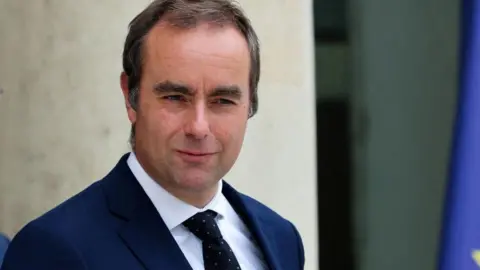
France's Prime Minister Sébastien Lecornu has handed in his resignation, less than a day after his cabinet was unveiled.
The presidential office issued a statement after the Prime Minister met Macron for an meeting on the start of the week.
This unexpected development comes only 26 days after he was appointed prime minister following the downfall of the previous government of François Bayrou.
Parties across the board in the National Assembly had sharply condemned the composition of the new government, which was mostly similar to Bayrou's, and vowed to reject it.
Demands for Early Elections and Political Unrest
A number of factions are now clamouring for a snap election, with certain voices urging Macron to also leave office - despite the fact that he has consistently affirmed he will not resign before his term ends in five years from now.
"Macron needs to choose: calling new elections or resignation," said Chenu, one of key representatives of the National Rally.
The outgoing PM - the ex-defense chief and a ally of the President - was France's fifth prime minister in less than 24 months.
Context of Government Crisis
French politics has been highly unstable since July 2024, when sudden national voting resulted in a no clear majority.
This has created challenges for each PM to garner the necessary support to pass any bills.
Bayrou's government was rejected in September after the assembly refused to back his fiscal tightening package, which aimed to reduce public expenditure by 44 billion euros.
Financial Pressures and Stock Response
The French shortfall reached 5.8% of GDP in the current year and its public debt is 114% of GDP.
That is the third highest public debt in the European monetary union after two southern European nations, and amounting to almost 50,000 euros per person.
Share prices dropped in the Paris bourse after the announcement about the PM was released on Monday.
