


"A family located in North London wants to find an remarkable and qualified tutor to assist their youngest child on his initial journey to growing into an British gentleman."
Upon seeing this post, you might naturally skip the term "first-steps" as simple an expression.
But, it might be the crucial part of this unusual employment listing, as it seeks to find a tutor for a infant.
Numerous of responses have now been submitted since the anonymous family posted their call for the highly paid tutor, who has to be "a uniquely qualified person".
In recent few weeks, the listing has gained notice throughout the press, with numerous asking why?
Progressive Approach
The CEO, CEO and founder of an education consultancy, which is helping the family in their hunt, explained that in spite of first doubt, he viewed the plan "visionary", and "innovative".
When he met the family, he noted they appreciated the unusual nature of their request, and how immature their son is.
But, they explained that they "didn't want to wait any longer" to hire a tutor, as they had waited until their elder sibling was five, and by that point "cultural conditioning had already become established".
What precisely does the family indicate by "cultural leaning"?
It's "comprehensive", the expert replied. "The way you eat, how you speak".
He said the older sibling had adopted "really subtle, body language" from the family, and had adopted their cultural habits. The family informed Adam they did not want the same situation to repeat itself with their younger child.
The intention: To hire a British tutor, who needs to speak with Received Pronunciation, to shape the baby right from the beginning.
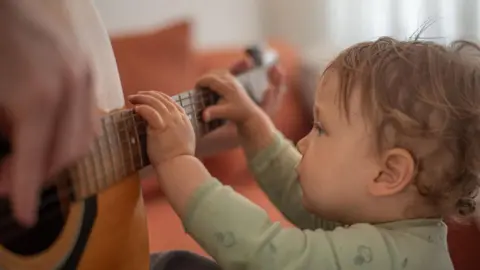
Osmotic Learning
"A great deal of the learning at the beginning here is somewhat acquired indirectly," said the expert.
It's through this natural absorption that the family are aiming the child will adopt the UK customs they wish to cultivate.
He noted the tutor had to be an individual who studied at "prestigious academies – the same kinds of schools as the family hope to send their son to".
"The educator simply needs to be the right kind of person, they'll be carrying out things they may not realize they're doing, effortlessly," he commented.
Expense Not a Factor
The family told him the chosen tutor should ideally also have understanding of or enthusiasm in horse riding, winter sports, creative fields and music so as to influence the child in a wide range of interests.
More than that though, he said the family wanted the tutor to register the child on a selection of lessons so the child would be "equestrian training and picking up an instrument by the time they are approximately three years old".
In the family's minds, assisting their son develop into a "British gentleman" will lead to achievement and open doors.
"Taking into account the pros and cons of that, because it's definitely a social class indicator," he adds.
But, notwithstanding all this tutelage in "UK identity", might the child pick up so-called cultural leaning from the international family he is raised by in any case?
"Yes", said Adam. "They realize this might not succeed, but they've just taken the perspective of, 'we should try and we should start as early as we can', because the cost of it is not a concern," he stated.
Overly Optimistic
There are some in the private teaching field who have these reservations.
An education leader, CEO and founder of an educational organization, who provides private tutors, commented that "the development of becoming bicultural, or in fact, becoming oneself, is something that must be lived into, not engineered."
Peter explained that he had emigrated from the Far East to the UK at the period of seven, and had been educated knowing and living both cultures. He went on to study at Cambridge University.
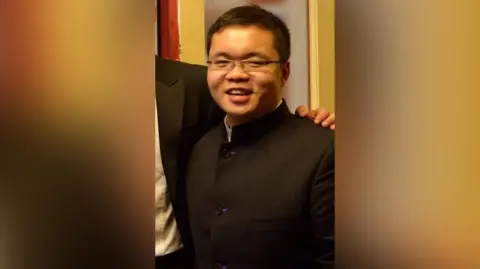
"The notion that one individual can function as a representation of Britishness, a person who can in some way transfer the attributes of a British gentleman onto a infant child, strikes me as idealistic and unrealistic," he wrote.
"In my experience, engaging a quintessentially British tutor from babyhood will does not instantly create the outcome they hope for.
"I did not have such a tutor, and yet I have been lucky enough to enjoy many of the situations they hope for their son."
He continued: "The reality is, cultural identity cannot be imposed from the outside; it must be embraced, and it must come from within."
Buying Britishness
Certainly, English culture is something the expert thinks can be educated – and commercialized.
"In my view the situation that the international society regards us in this light is something that we should be cherishing|valuing|appreciating


